
Loan Programs
USDA Loans in the St. Croix Valley: Zero Down in Wisconsin's Small Towns
By Andrew B. Nilssen, NMLS 253300 •June 10, 2026 •3 min read
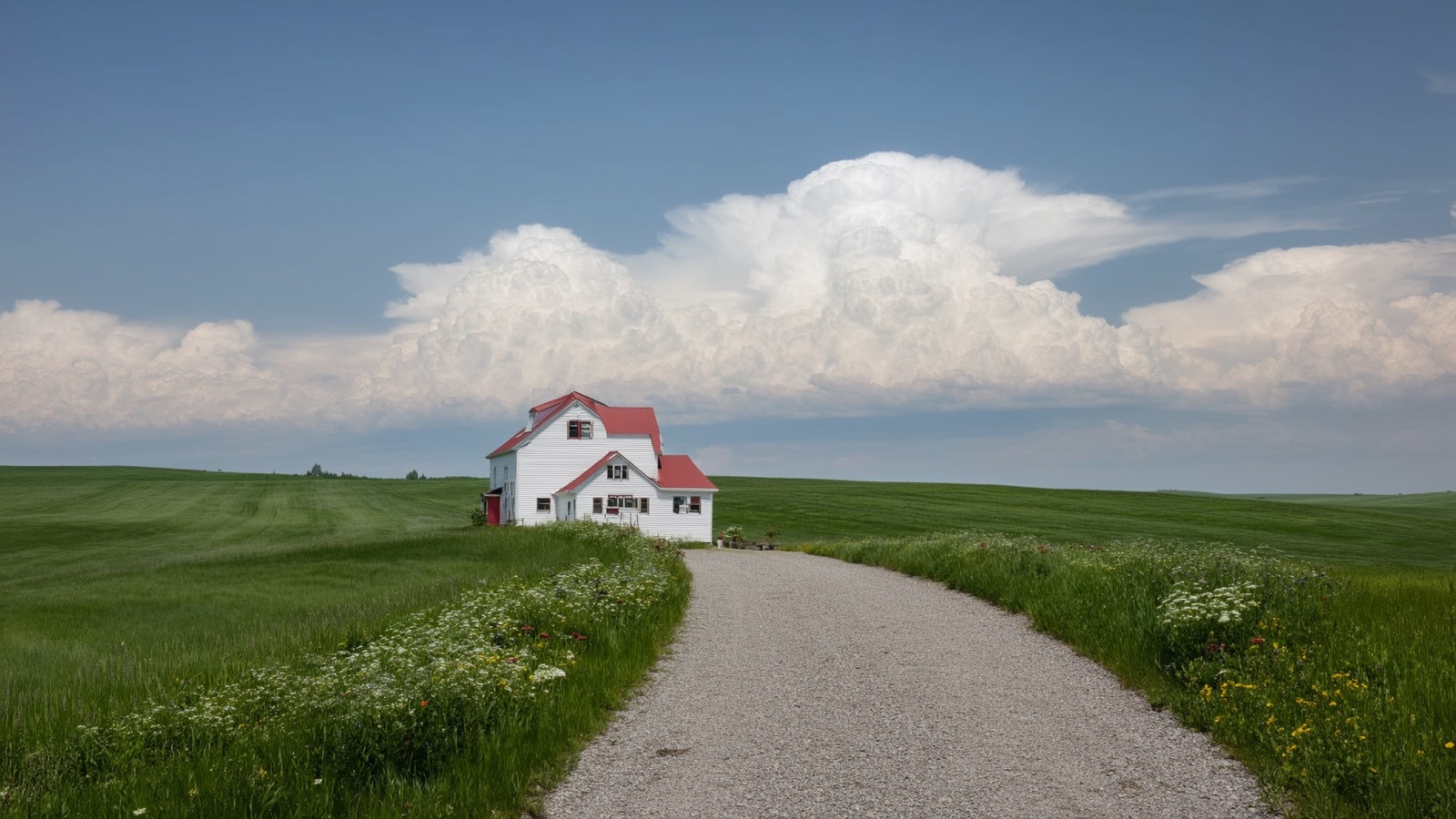
There is a zero-down loan program hiding in plain sight across western Wisconsin, and most buyers drive past eligible towns every day without knowing it. The USDA Rural Development loan is the least understood program I work with, and in the St. Croix Valley it is often the difference between renting another year and owning this one.
The deal: zero down in the right zip codes
USDA loans are backed by the U.S. Department of Agriculture to support homeownership in rural areas. The headline terms:
- No down payment. Finance 100 percent of the purchase price.
- Competitive fixed rates, helped by the federal guarantee.
- Modest fees: an upfront guarantee fee that can be financed, plus a small annual fee, both typically cheaper than FHA’s mortgage insurance.
The trade is geography and income. Both the property and your household have to qualify.
”Rural” is friendlier than you think
Forget the mental image of a farmhouse an hour from pavement. The USDA’s definition of rural captures small towns and unincorporated areas well within commuting distance of the Twin Cities.
In our corner of Wisconsin, that means many smaller St. Croix Valley communities sit in eligible territory. Think of places like Roberts, Hammond, and Baldwin along the I-94 corridor, and plenty of townships between them. Larger towns, including Hudson and River Falls proper, generally fall outside the line.
The line itself is precise and occasionally surprising, which is why the only answer that counts comes from the USDA’s official eligibility map. Type in an address, get a yes or no. I check addresses for buyers all the time, often mid-showing.
The income test counts the whole household
USDA limits household income by county and household size. Two details trip people up:
- It counts everyone in the home, including a working adult child or a parent who lives with you, even if they are not on the loan.
- The ceiling is moderate, not poverty-level. Many dual-income households fit, especially outside the highest-earning brackets.
If your income is over the line, you are not out of options. Compare a conventional 3 percent down program, WHEDA assistance, or for veterans, the VA loan, which has no geographic test at all.
Why USDA fits the valley so well
The St. Croix Valley’s whole appeal is the trade: a few more minutes on I-94 in exchange for space, quiet, and price per square foot. USDA leans into exactly that trade. The buyer willing to look one town past Hudson often finds both a friendlier price and a zero-down program waiting.
I live in Roberts, so I will admit the bias twice in one blog: the small towns out here are the valley’s best value, and USDA is a big part of why. My cross-border guide puts the whole valley map in context for Twin Cities transplants.
The fine print worth knowing
- Primary residences only. No rentals, no cabins.
- Property condition matters. Like FHA, the home needs to be safe and sound.
- Modest acreage is usually fine. True hobby farms and income-producing land are not what the program is for.
- Processing can add a step. USDA loans get a final review by Rural Development, which can add a little time in busy seasons. Plan the closing date with that in mind.
The 60-second next step
Pick the towns you are curious about and send me an address or two. I will check the map, run your household against the county income limit, and price USDA against your other options. That is a discovery call with a clear answer at the end, or call or text 651-398-4779.
Final Recap
- USDA loans require no down payment and offer competitive fixed rates for homes in USDA-designated rural areas.
- Eligibility is address-specific. Many smaller St. Croix Valley communities qualify while the larger towns generally do not.
- Household income limits apply and count everyone in the household, not just the borrowers.
- USDA loans carry an upfront guarantee fee plus a modest annual fee, both typically cheaper than FHA insurance.
- Always verify a specific address on the USDA eligibility map before falling in love with the house.
Good to know
Frequently Asked Questions
What is a USDA loan?
A USDA loan is a zero-down-payment mortgage backed by the U.S. Department of Agriculture for homes in designated rural areas, aimed at low-to-moderate income buyers. It combines no down payment with competitive fixed rates and modest guarantee fees.
Which towns near Hudson qualify for USDA loans?
Eligibility is determined address by address on the USDA's official map, and it favors smaller communities and unincorporated areas. Towns like Roberts, Hammond, Baldwin, and similar St. Croix Valley communities often fall in eligible territory, while Hudson and River Falls proper generally do not. Check the exact address before assuming either way.
What are the income limits for a USDA loan?
USDA sets household income limits by county and household size, generally targeting low-to-moderate incomes up to a moderate-income ceiling. Importantly, the limit counts the income of everyone living in the household, not just the people on the loan.
Is a USDA loan better than FHA?
For an eligible buyer in an eligible area, usually yes. USDA requires no down payment while FHA requires 3.5 percent, and USDA's guarantee fees are typically cheaper than FHA's mortgage insurance premiums. The catch is that both the address and the household income must qualify.
Can I buy a hobby farm or acreage with a USDA loan?
USDA's standard program finances homes, not income-producing farms. Modest acreage with a residence is often fine, but properties whose value is mostly land or with significant agricultural use can be a problem. Bring the listing to your lender early.