
First-Time Buyers
The First-Time Homebuyer's Guide to Hudson, WI and the St. Croix Valley
By Andrew B. Nilssen, NMLS 253300 •June 10, 2026 •3 min read
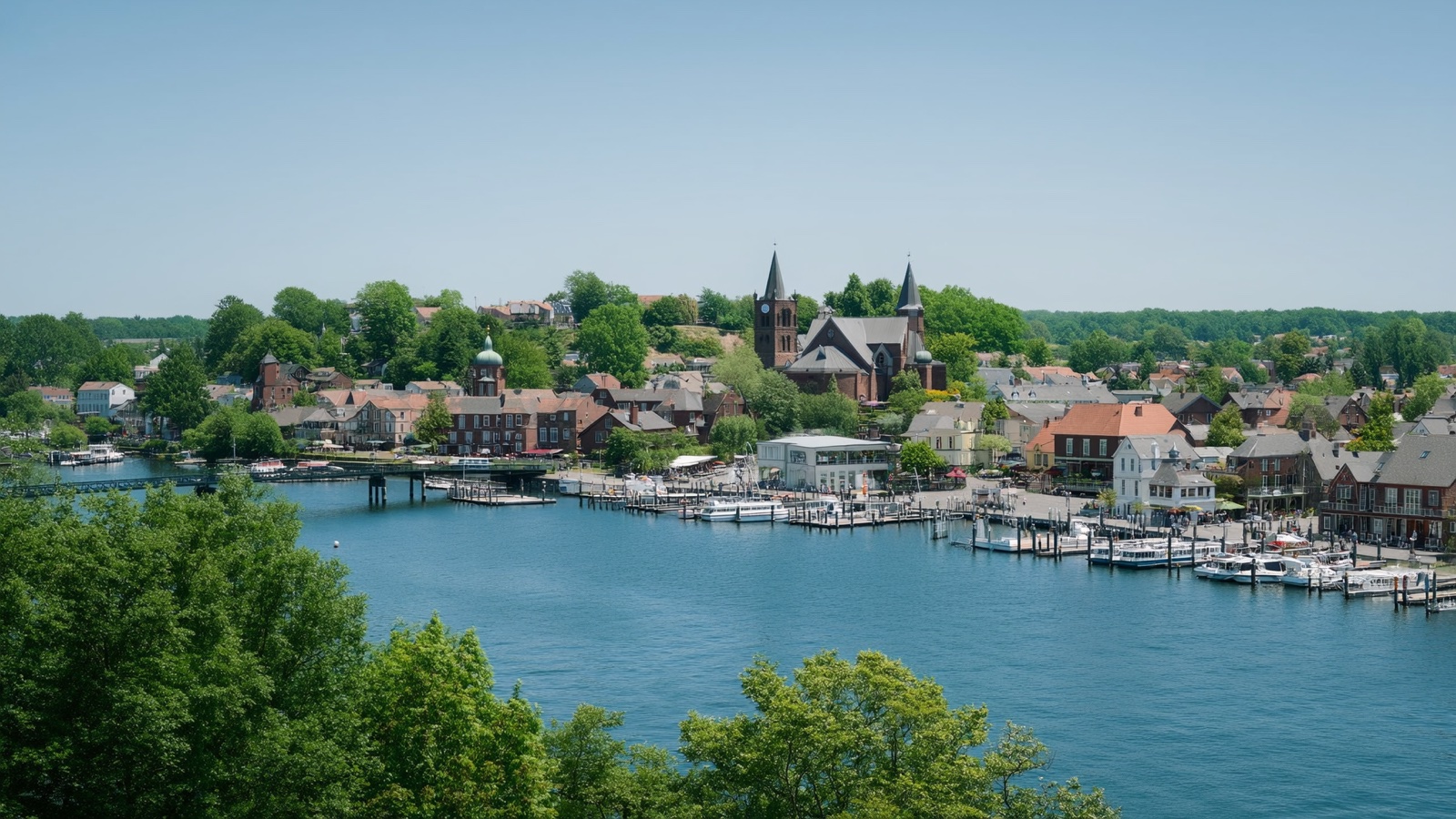
Buying your first home is a five-step process everywhere on earth. Doing it well in Hudson and the St. Croix Valley is about knowing the local version of each step. After 20 years of walking first-time buyers through this market (and living in it myself), here is the guide I wish everyone got handed at their first open house.
Step 1: Pre-approval before Zillow, not after
Every Hudson buyer’s instinct is to browse first and finance later. Resist it. A real pre-approval does three jobs:
- It tells you your true budget, including taxes and insurance, not a guess.
- It surfaces which programs you qualify for, which can change your whole search map.
- It makes your offer credible the day the right house appears. Spring listings in Hudson do not wait for paperwork.
Pre-approval costs nothing and takes a day or two once your documents are in.
Step 2: Pick your spot on the valley map
The St. Croix Valley is really several markets wearing one name:
- Hudson: the riverfront crown jewel. Walkable downtown, marina, dining, top-tier commute. Premium prices follow.
- River Falls: college-town energy, the Kinnickinnic running through it, strong value one notch below Hudson.
- New Richmond: a real small city with its own gravity, newer construction, friendlier prices.
- Roberts, Hammond, Baldwin: the small towns along I-94 where budgets stretch furthest, and where zero-down USDA financing often applies.
Commuters from Minnesota jobs should read my cross-border guide for the tax and logistics picture. The short version: thousands of people make this exact move and the mechanics are well-worn.
Step 3: Match the program to the plan
First-time buyers in Wisconsin have a deeper toolbox than most realize:
- WHEDA: Wisconsin’s state program, with down payment assistance that can cover most of the upfront gap.
- FHA or low-down conventional: the federal workhorses, 3 to 3.5 percent down.
- USDA: zero down in eligible small towns, income limits apply.
- VA: zero down and no mortgage insurance for those who served.
The right pick depends on your credit, savings, household income, and the specific town. This is a 15-minute comparison with real numbers, not a personality quiz.
Step 4: Budget the whole closing, not just the down payment
The down payment gets all the attention, but plan for three buckets:
- Down payment: 0 to 5 percent for most first-time programs.
- Closing costs: roughly 2 to 4 percent of the price, covering lender, title, appraisal, escrow setup, and Wisconsin’s recording items. Sellers can sometimes credit part of this in negotiation.
- Reserves: a cushion left over after closing. The first year of any house finds a way to spend money, and the Consumer Financial Protection Bureau’s homebuying resources are blunt about how often surprise costs bite new owners.
If those three buckets feel impossible together, that is precisely what assistance programs exist to fix. Do not self-reject before checking.
Step 5: Offer, processing, keys
From accepted offer to closing typically runs 30 to 45 days: inspection, appraisal, underwriting, final walkthrough, closing table. Your job during processing is gloriously boring: respond to document requests fast, avoid new debt, and do not change jobs without a phone call first.
Then someone hands you keys to a house in the prettiest valley in the Midwest, and the rent checks stop.
Your first actual step
Skip the months of wondering. Book a free discovery call or call or text 651-398-4779, and we will turn your income, savings, and target towns into a concrete plan, including exactly how much house you can afford.
Final Recap
- Get pre-approved before touring homes. In a competitive market your offer is only as strong as the letter behind it.
- Hudson is the premium pick. River Falls, New Richmond, Roberts, Hammond, and Baldwin stretch the same budget further.
- Wisconsin buyers should check WHEDA assistance, and smaller-town buyers should check USDA zero-down eligibility.
- Budget for closing costs and reserves beyond the down payment, typically several percent of the purchase price.
- From a serious start to keys in hand commonly takes 60 to 90 days.
Good to know
Frequently Asked Questions
How much money do I need to buy a first home in Hudson, WI?
Plan for a down payment of 0 to 5 percent of the price depending on your loan program, plus closing costs of roughly 2 to 4 percent, plus a reserve cushion. Programs like WHEDA assistance, USDA in eligible towns, and VA for veterans can shrink the down payment dramatically, which is why the real answer comes from a pre-approval, not a rule of thumb.
Is Hudson, WI a good place for first-time buyers?
Hudson offers a walkable historic downtown, the St. Croix riverfront, strong schools, and a 20 to 30 minute commute to St. Paul, which is why it commands a premium. First-time buyers who need more house for the money often look one ring out to River Falls, New Richmond, Roberts, Hammond, or Baldwin.
What credit score do I need to buy my first house?
Conventional programs generally want 620 and up, with the best pricing well above that, while FHA can work from 580 with the minimum down payment. Below those marks the conversation becomes a credit-building plan first, which a good lender will help you map.
How long does buying a first home take?
Sixty to ninety days is typical from serious start to closing: a week or two for pre-approval and search setup, a few weeks of house hunting, then 30 to 45 days from accepted offer to keys. Hot listings in Hudson move fast, so having the pre-approval done before the search matters.
Should I keep renting in Hudson or buy now?
Compare your rent against the full monthly cost of owning, including taxes and insurance, and weigh how long you plan to stay. Staying five or more years usually favors buying because equity and fixed payments beat rising rents, but the honest answer depends on your numbers, which a 15-minute call can sort out.